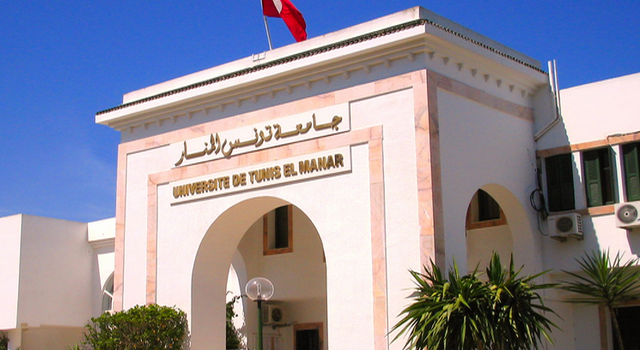

Plastic pollution is a major environmental and socioeconomic issue in Tunisia, affecting urban, coastal, and agricultural areas. According to WWF (2019), the country generated 250,000 metric tons of plastic waste in 2016, of which only 4% was recycled, while 96% was landfilled or dumped into the environment. This reliance on plastics is evident locally on university campuses in Greater Tunis, where food and beverages are predominantly sold in disposable packaging. Infrastructure for source separation is virtually nonexistent, and the collected waste is mainly sent to landfills without being recycled.
This project aims to transform two university campuses in Tunis into active hubs for combating plastic pollution in the Mediterranean. It combines practical solutions—such as the deployment of reusable cups in cafeterias, engaging the student community through film screenings and discussion panels as well as hands-on workshops, and collecting scientific data to support a shift in practices at universities.
The project focuses on three complementary approaches: reducing direct causes through reuse solutions (water bottles, reusable bags); changing behaviors through participatory awareness-raising (mural painting, cleanup events, film screenings and discussions); and addressing the knowledge gap by producing and disseminating open data for advocacy. By creating a replicable demonstration model, the project aims to inspire broader implementation of national policies and contribute to the sustainable reduction of plastic pollution on campuses and in the Mediterranean.