The BeMed + project is making great strides in Tunisia. Supported locally by the Notre Grand Bleu (NGB) association and nationally by the International Union for Conservation of Nature (IUCN), it aims to reduce the plastic pollution threatening the Monastir coastline.
Plastic reduction and access to drinking water
Technical field visits were conducted at Mustapha Ben Jannet Stadium (football academy) and Mohamed MZALI Sports Hall (basketball academy) to assess the specific logistical needs for improving waste management and access to drinking water within both sports facilities, required to reduce the use of single-use plastic water bottles.
Raising awareness through sport
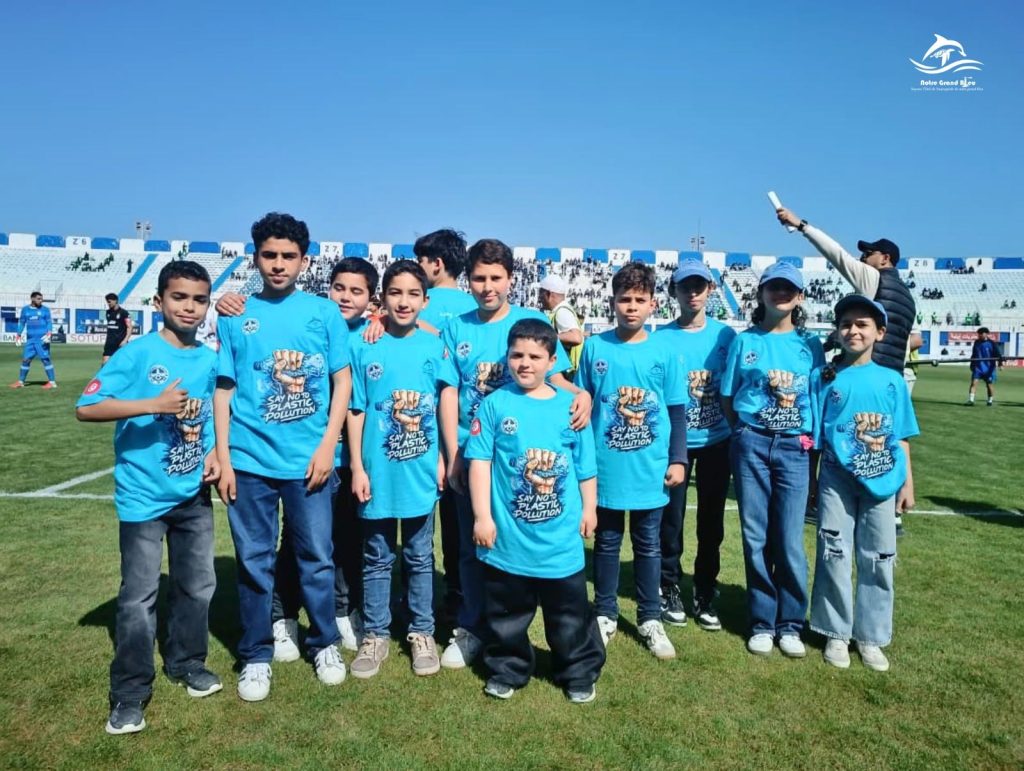
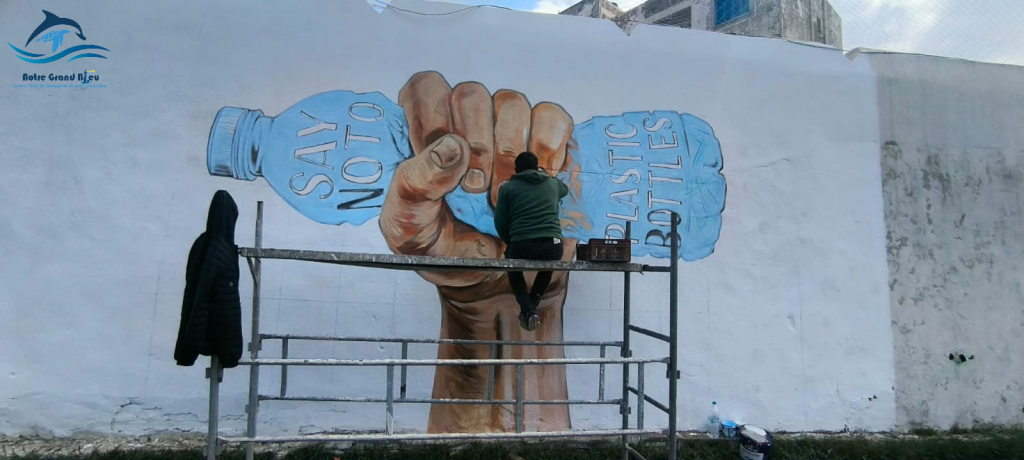
A 240 m² environmental mural by artist Skander Tej was created at the Mustapha Ben Jannet Sports Academy as a permanent awareness tool on plastic pollution. In addition, 21 young members of Notre Grand Bleu acted as environmental ambassadors during a sporting event, helping bring the project’s message to a wide audience.
Source separation and waste management
Launch of the Stah Jaber pilot area, including a field assessment of 106 households (90% of housing units), with 95.3% support for the source-separation project, and preparation of a system covering approximately 700 households and 35 apartment units.
Environmental education
The objective is to strengthen environmental education in schools and raise awareness among students and teachers about plastic pollution and practical solutions to reduce it.
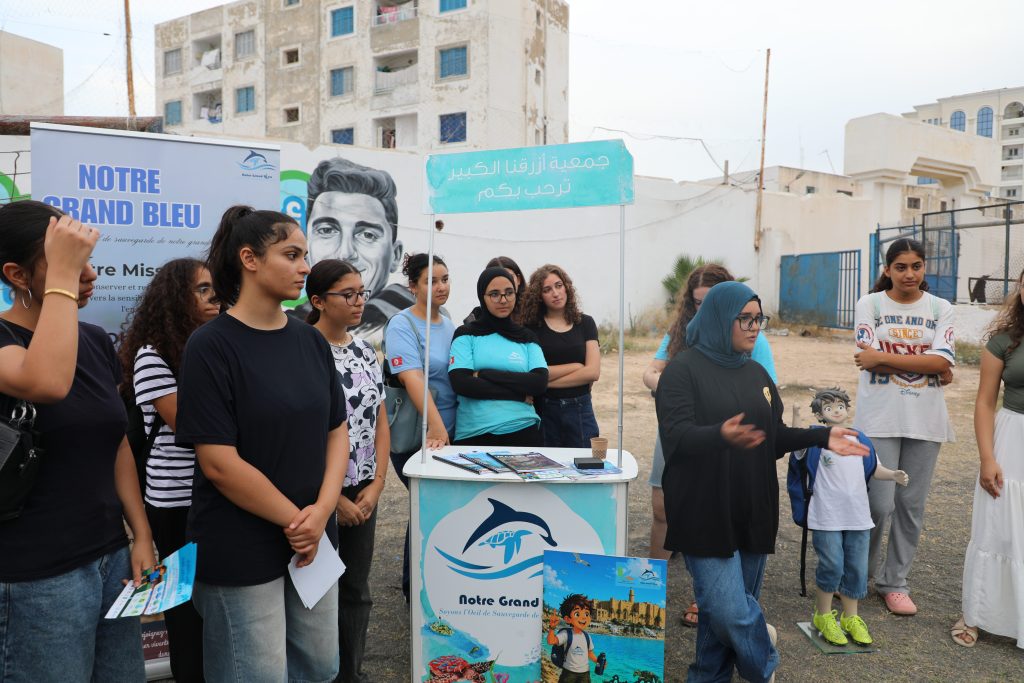
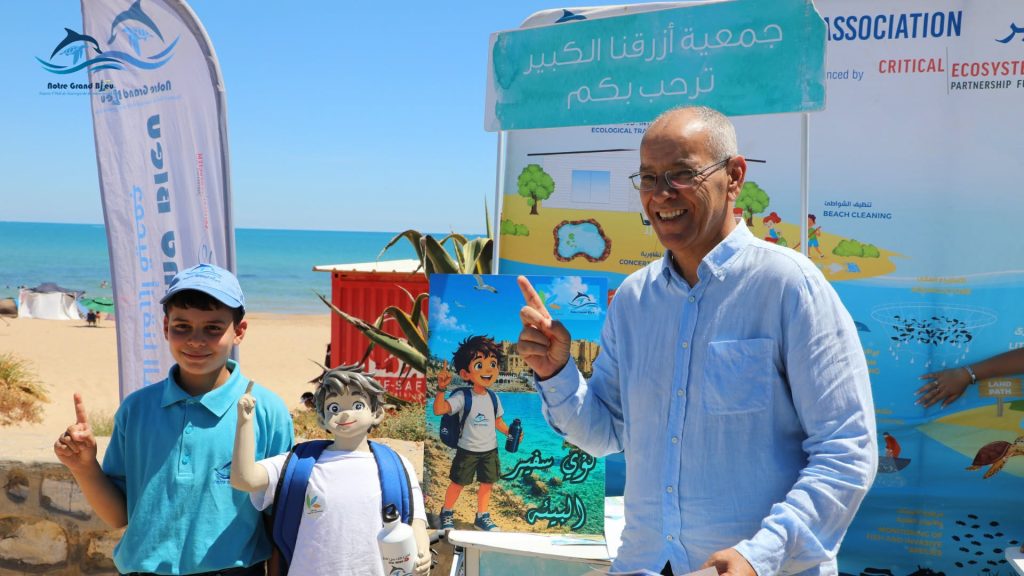
To support this, an institutional agreement was signed with the Ministry of Education, followed by a diagnostic study in target schools. An educational toolkit and awareness-raising comic book were developed, and pilot lessons and training workshops were delivered to teachers and students in both Arabic and French.
Creation of Léo, the project’s environmental mascot in Tunisia: featured in the educational toolkit for children, Léo was designed as a fun and engaging ambassador to raise awareness about environmental protection and plastic pollution.
Restaurants
A partnership was established with the Federation of Restaurants, with 2 pilot restaurants selected to assess their current environmental practices and develop specific action plans for improvement.
Hotels
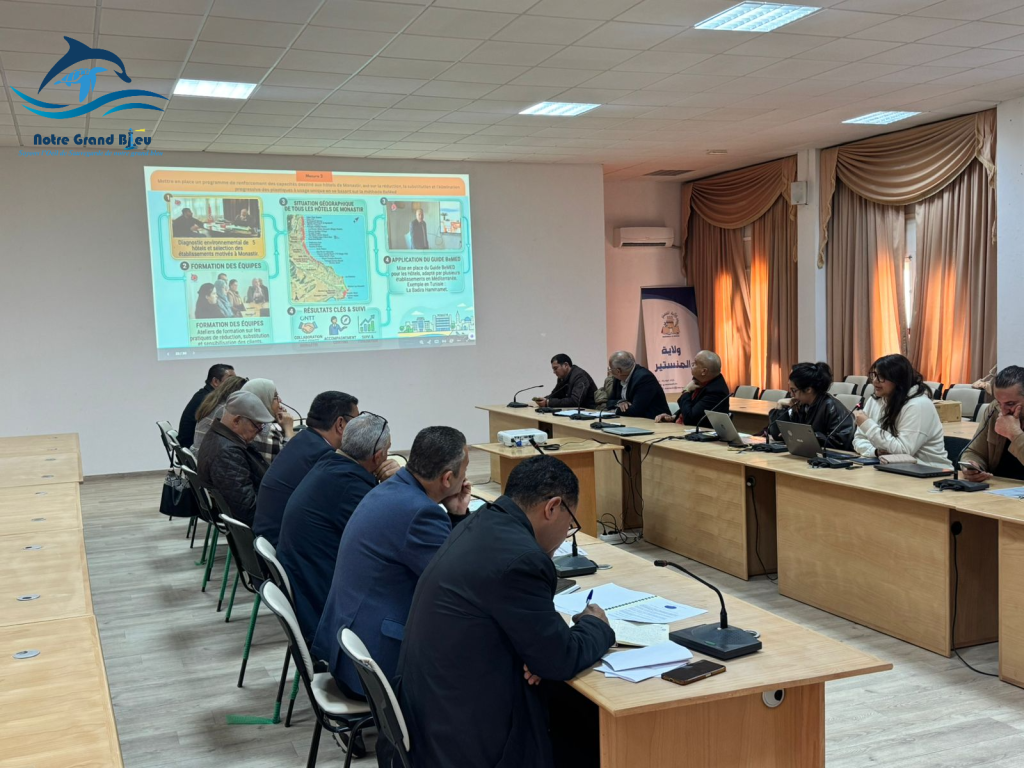
Selection of pilot establishments, training using the BeMed methodology, signing of partnership agreements, and completion of 5 environmental audits/assessments.
The BeMed+ project is generously supported by the Fonds Français pour l’Environnement Mondial (FFEM), the Aether Fund of the Foundation for Future Generations, the Prince Albert II of Monaco Foundation, the Fondation Didier et Martine Primat, and the France-IUCN Partnership.
*HoReCa = Hotels, restaurants and cafés