
Türkiye enacted the “Zero Waste Regulation” in 2019, mandating municipalities to establish separate collection systems. While Atasehir Municipality is a pioneer in compliance, earning a “Zero Waste Certificate” for its facilities, the national regulation focuses heavily on recycling (downstream) rather than prevention (upstream).
Currently, there is no local regulation explicitly banning single-use plastics in public institutions. This initiative aims to fill this gap by establishing a binding “Plastic-Free Institution Policy,” setting a precedent for local governance in Istanbul.
Atasehir is a dense urban district where daily life relies heavily on packaged water. Despite the municipal tap water being technically potable at the source, an ingrained public distrust regarding building plumbing and taste drives the population toward single-use PET bottles.
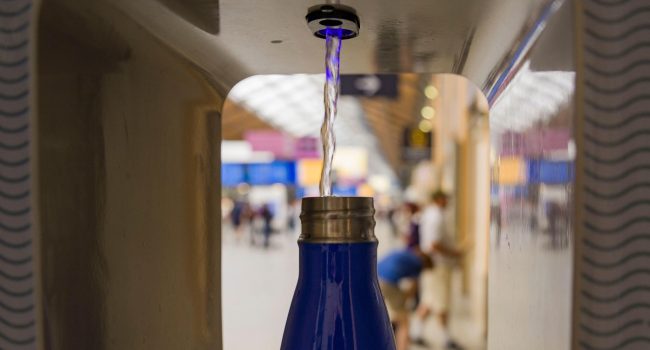
“Refill Atasehir” is a comprehensive prevention-at-source intervention designed to eliminate single-use plastic reliance in a dense urban district. Recognizing that unmanaged plastic litter in Atasehir contributes to the pollution of the Sea of Marmara through urban runoff, the project targets the problem at its root: unsustainable consumption habits.
“Refill Atasehir” is a comprehensive prevention-at-source intervention designed to eliminate single-use plastic reliance in a dense urban district. Recognizing that unmanaged plastic litter in Atasehir contributes to the pollution of the Sea of Marmara through urban runoff, the project targets the problem at its root: unsustainable consumption habits.
The initiative operates on 2 strategic pillars:
By replacing the “buy-and-throw” culture with a sustainable “refill” norm, the project aims to prevent PET bottles from entering the waste stream, offering a scalable, low-cost model for non-coastal municipalities protecting the Mediterranean.